Magic Eraser - Making of an AI Tool
Team
1 PM, 1 Engineer, 1 Designer, 1 ML Engineer
Tools
Figma, Jitter, Adobe
Platform
iOS, Android, Web
Year
2022-2025
My Role
Sole Product Designer
The first product I ever designed. One tool, one job, remove anything from any photo in under 60 seconds. On three platforms. I joined Magic Studio in 2021 as its founding designer. No prior product, design system or visual language. Just a technical team with an ML in-painting model, and me, figuring out what that should feel like for someone who'd never edited a photo before. Four years later, that one browser page had become a three-platform product: web, iOS, and Android. Still designed by one person.
Scope of Work
Starting Point
The Problem
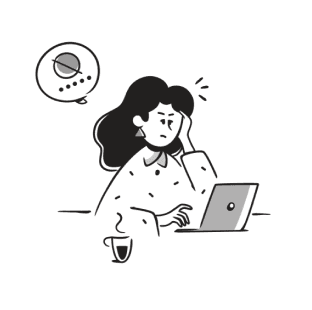
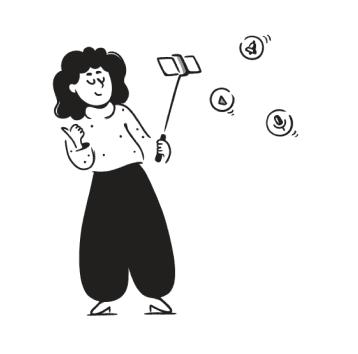
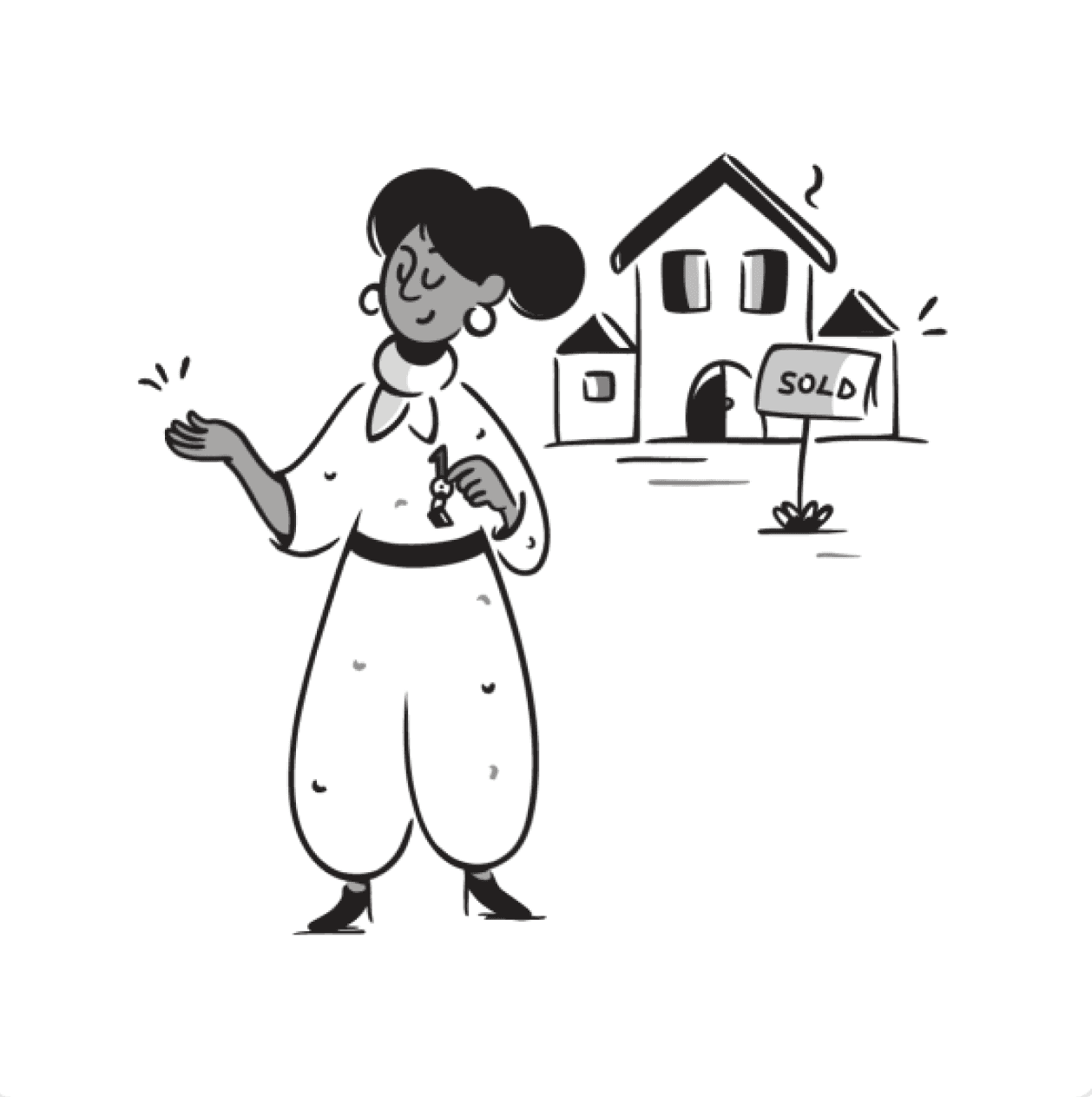
Why couldn't anyone just… remove it?
The problem was universal. But every existing solution required expert knowledge, time, or both. The gap between "I want to remove this" and "I successfully removed this" was enormous, and no consumer product had closed it in 2021.

Design Process
What did we actually research and what broke us out of the obvious?
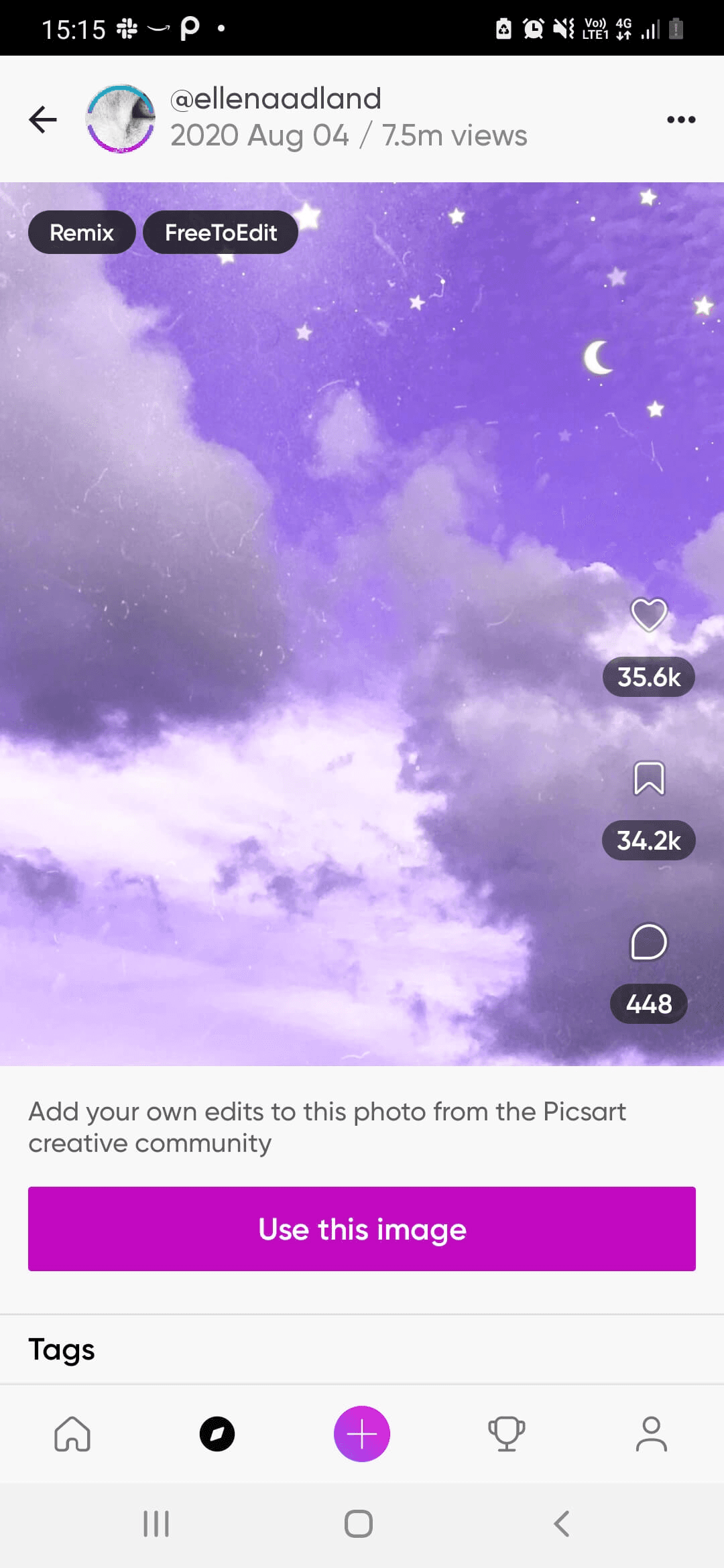
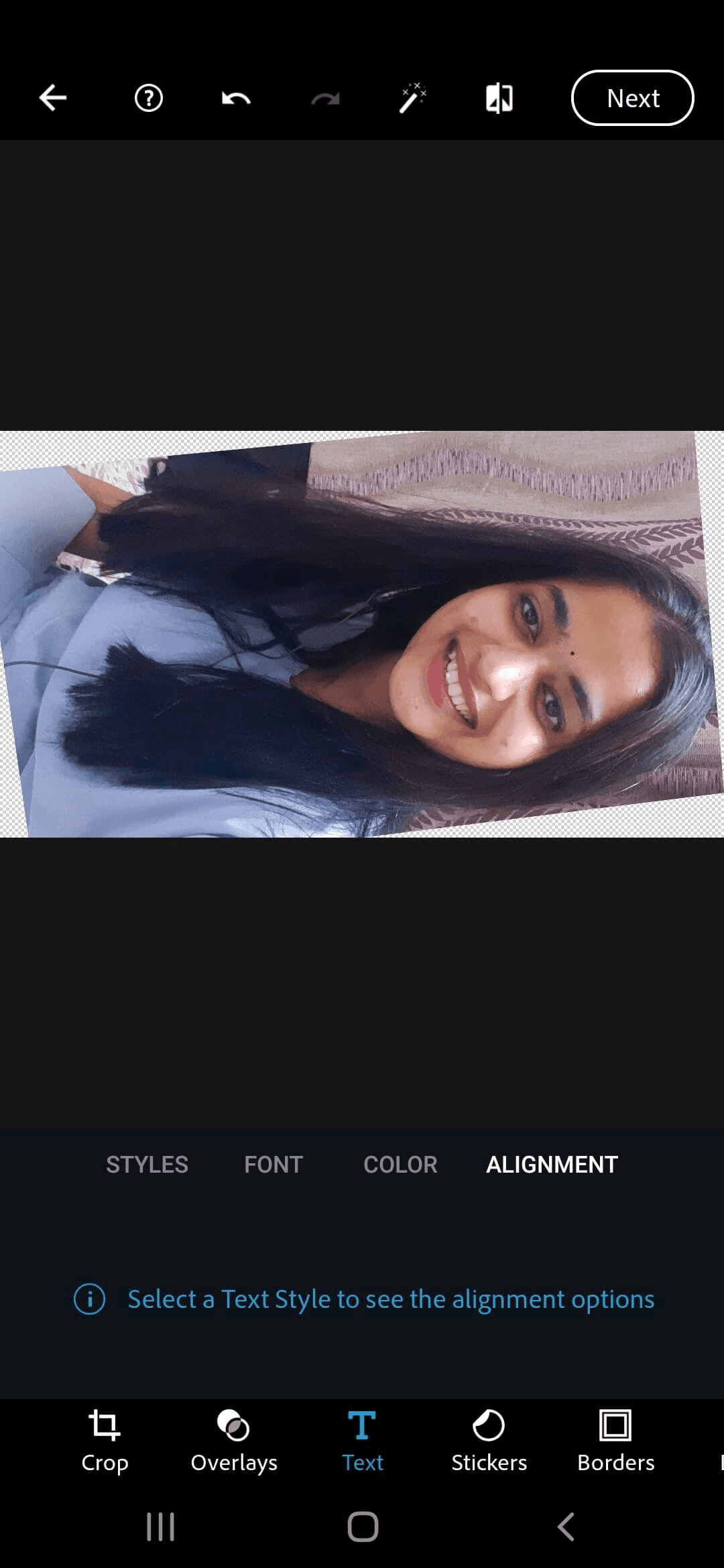
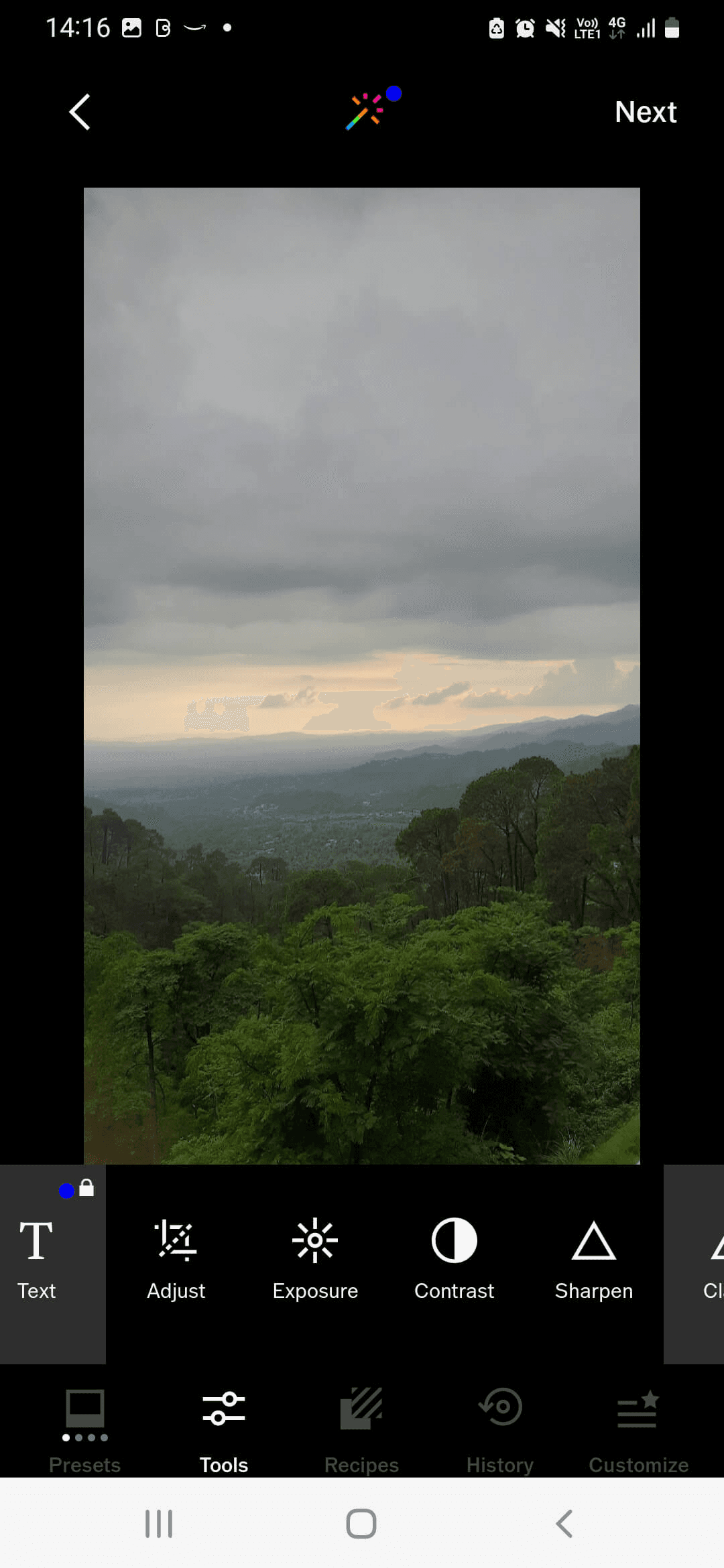
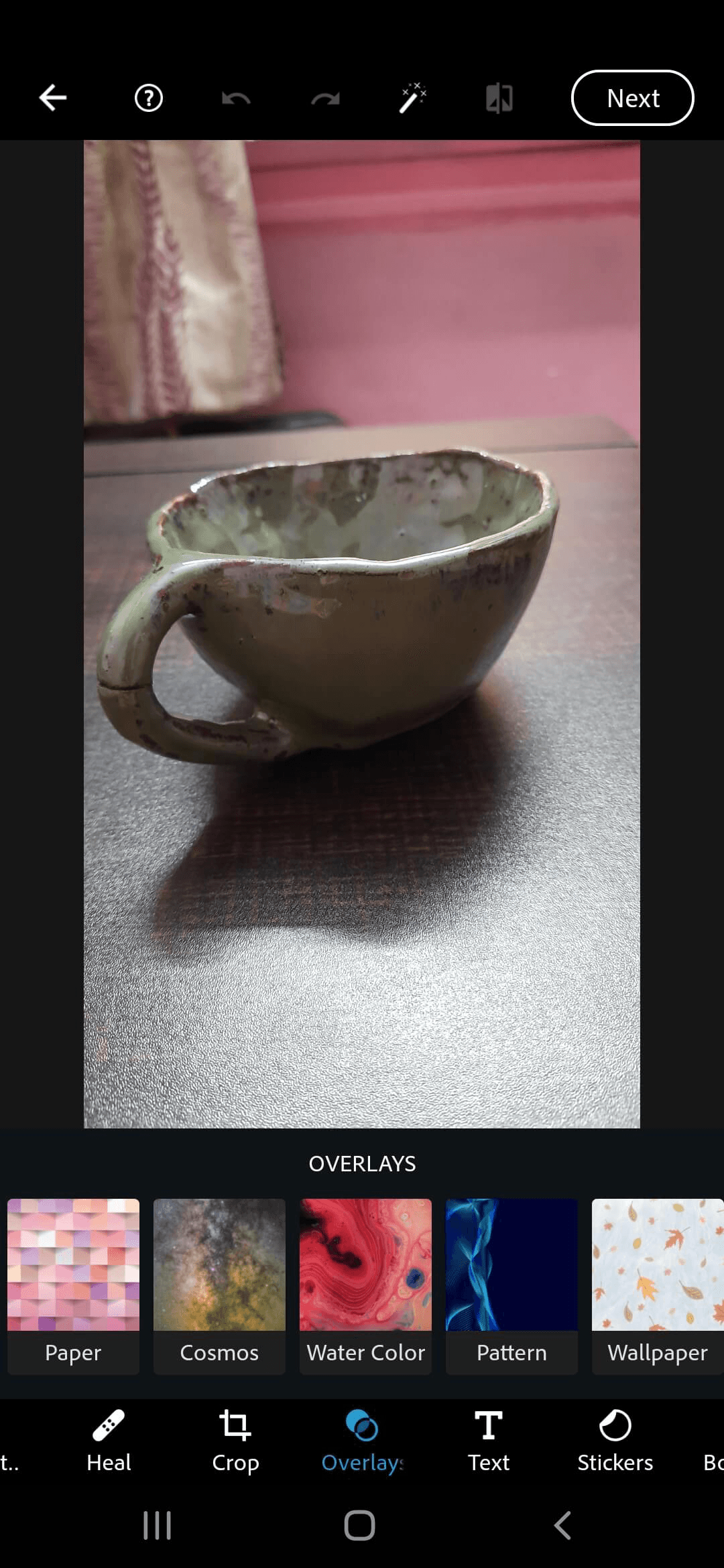
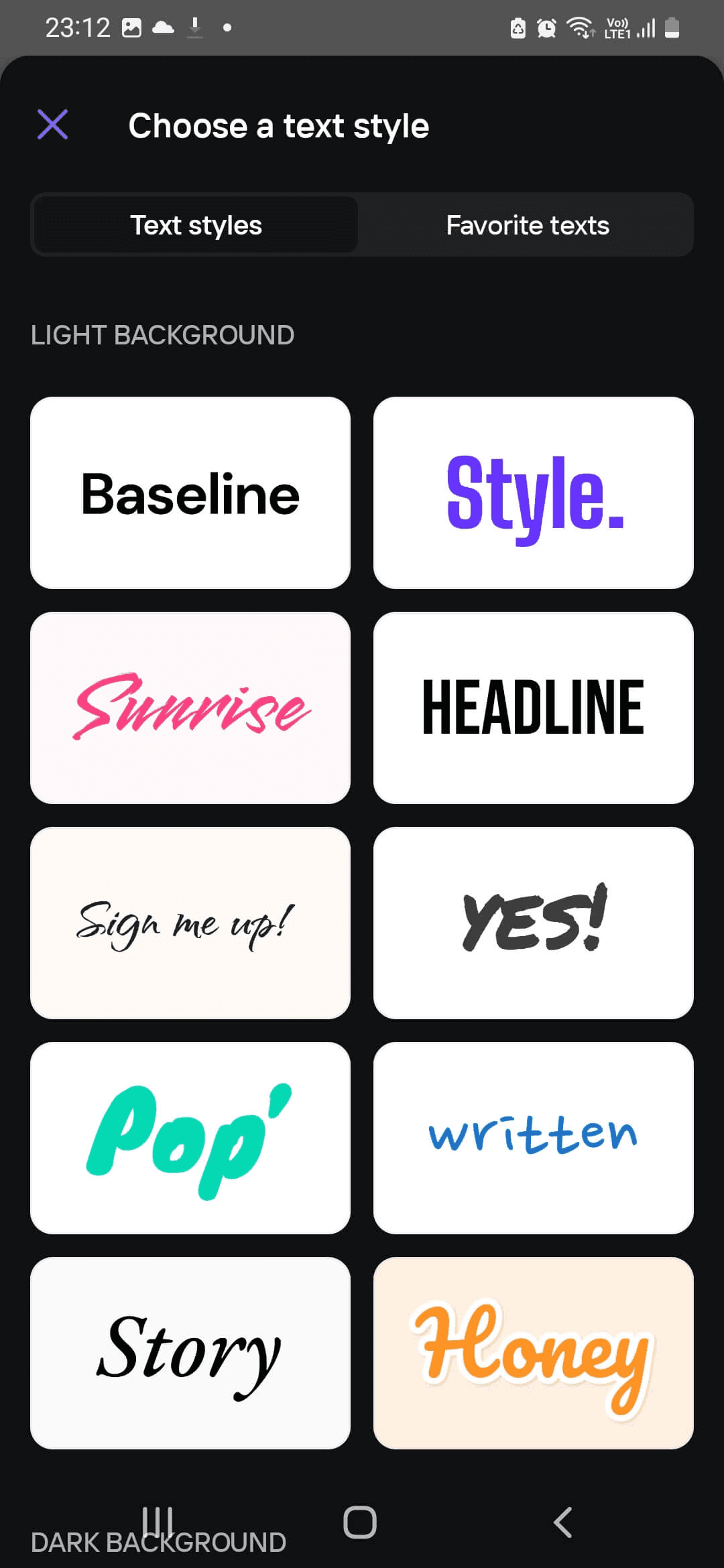
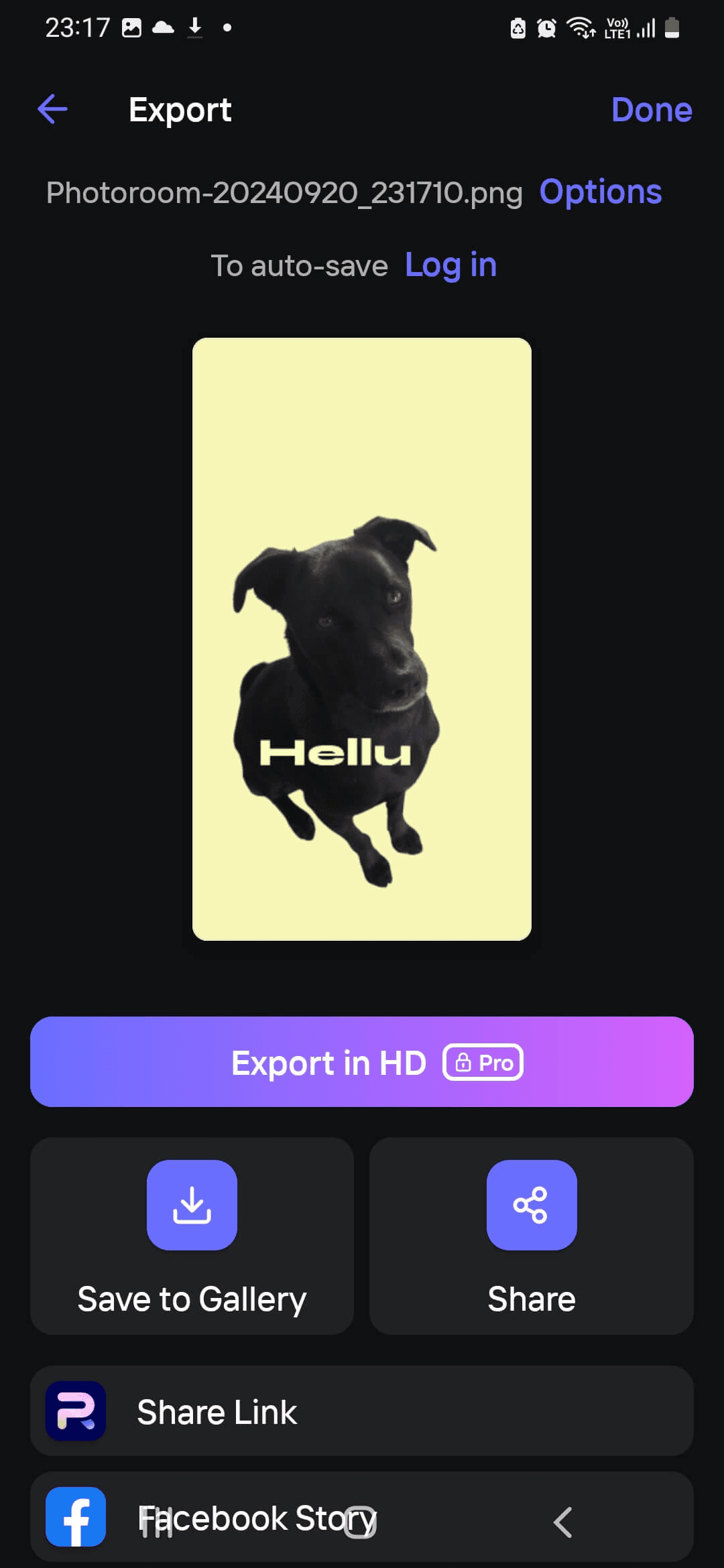
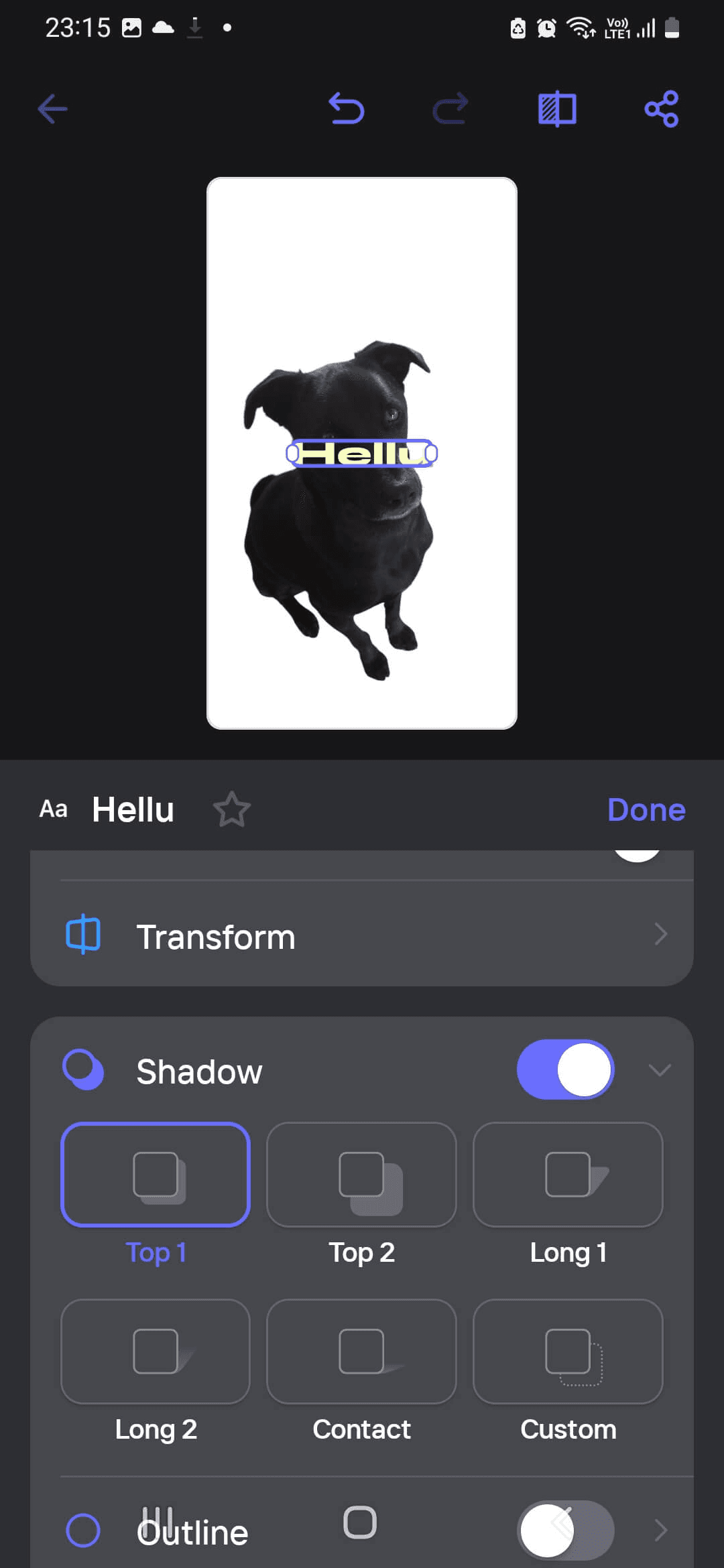
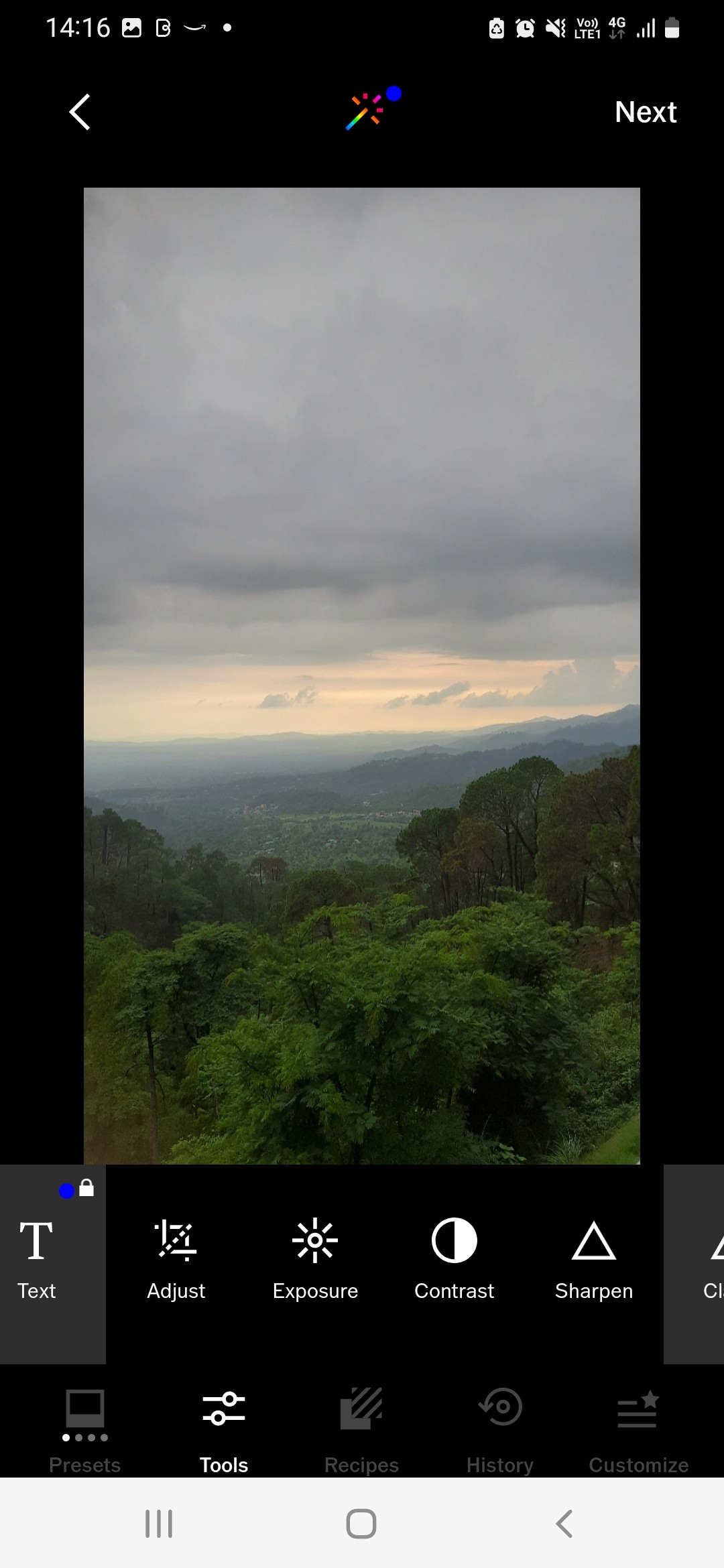
I audited 12+ tools hands-on: Snapseed, VSCO, Adobe Express, Photoshop, remove.bg, Canva, PicsArt, Lightroom. Four areas defined my research: object selection, undo/redo logic, AI latency handling, and the result moment. None got all four right.
Photoroom
Adobe Lighroom
Canva
Remini
Bazaart
VSCO
PicsArt
Remove.bg
Instagram
Constrains #1
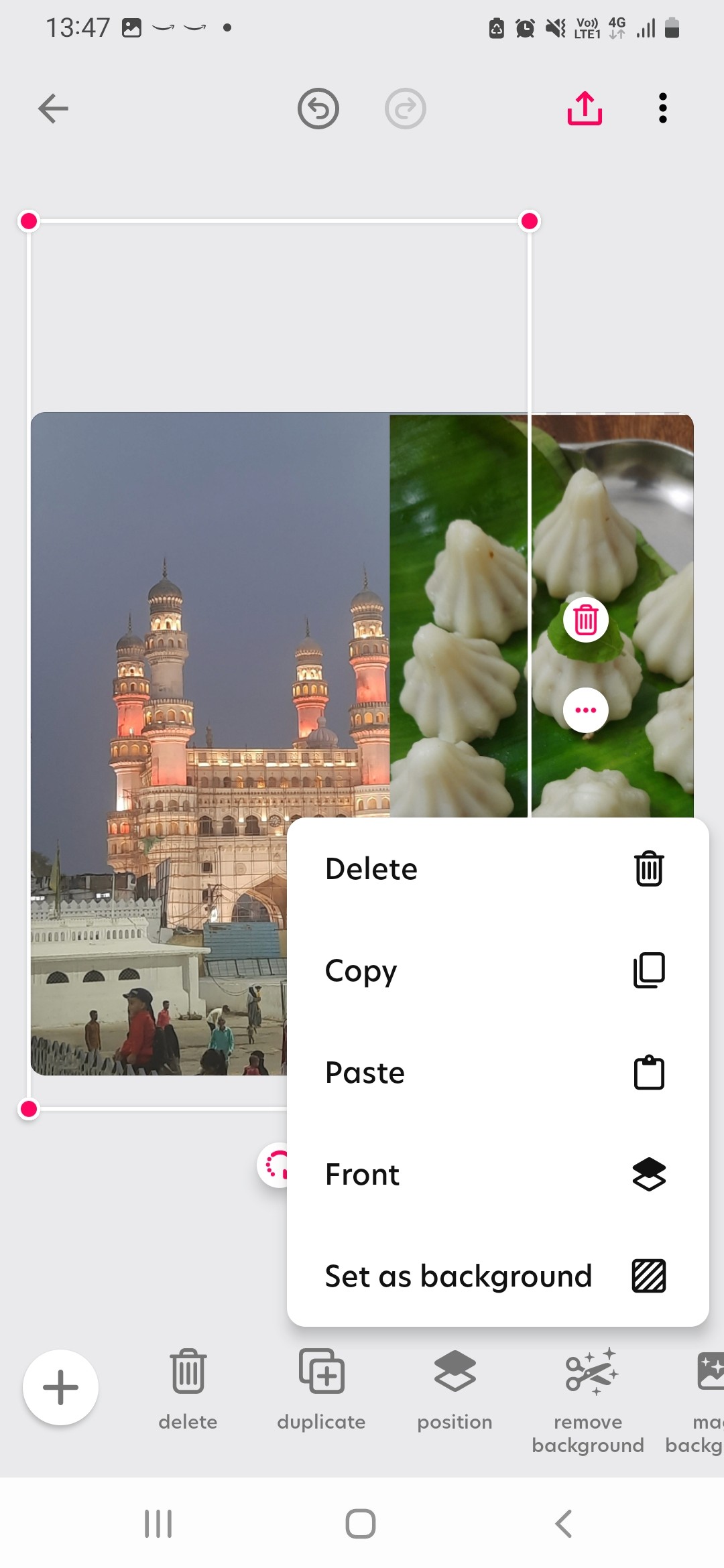
Early model limitations meant the first erase often returned fragments of surrounding objects, wrong enough to frustrate, not obvious enough to explain.
User patience is zero, so we designed the re-erase loop: paint over the bad fill, erase again, and the model returns a clean result. A constraint became the product's most distinctive interaction pattern.
The first web version
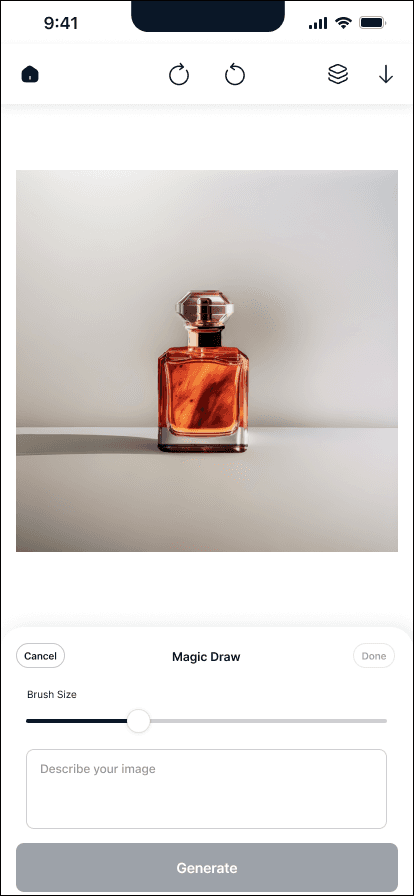
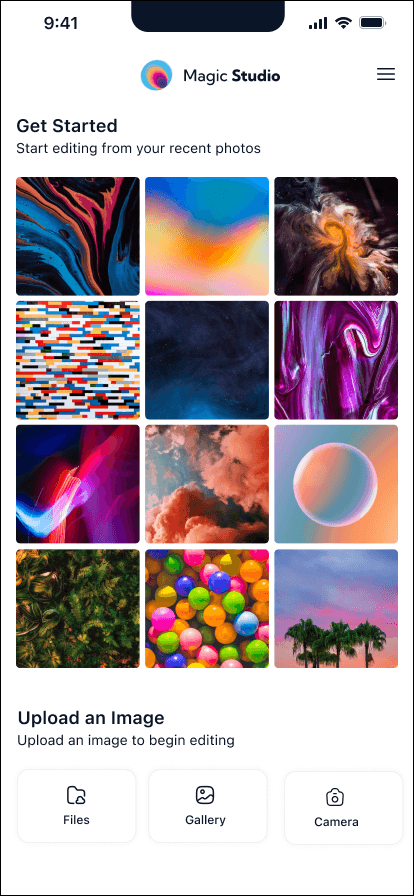
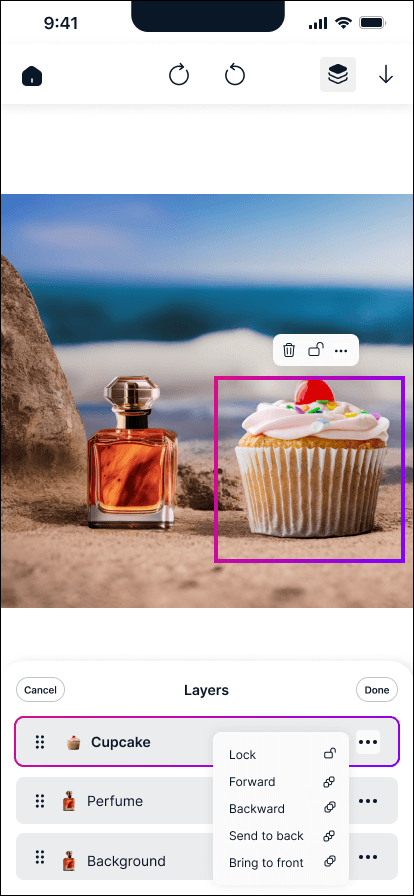
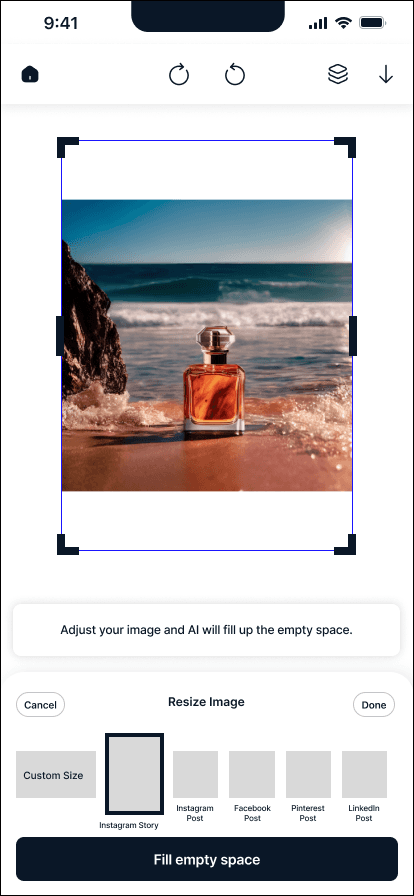
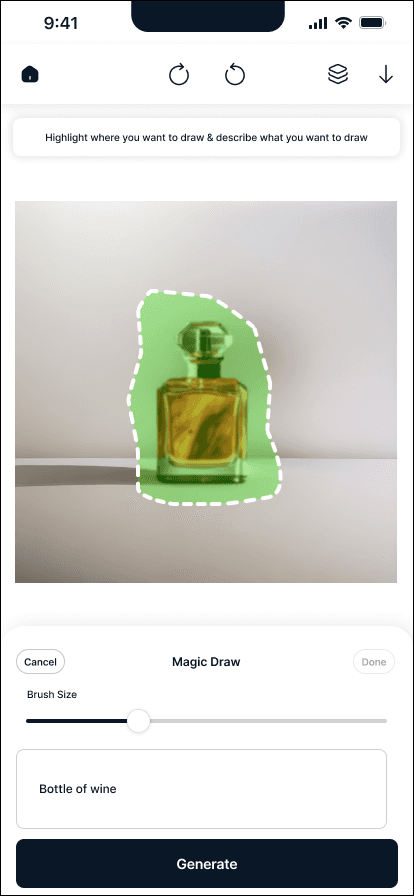
Some of the first wireframes for App
Platform Architecture
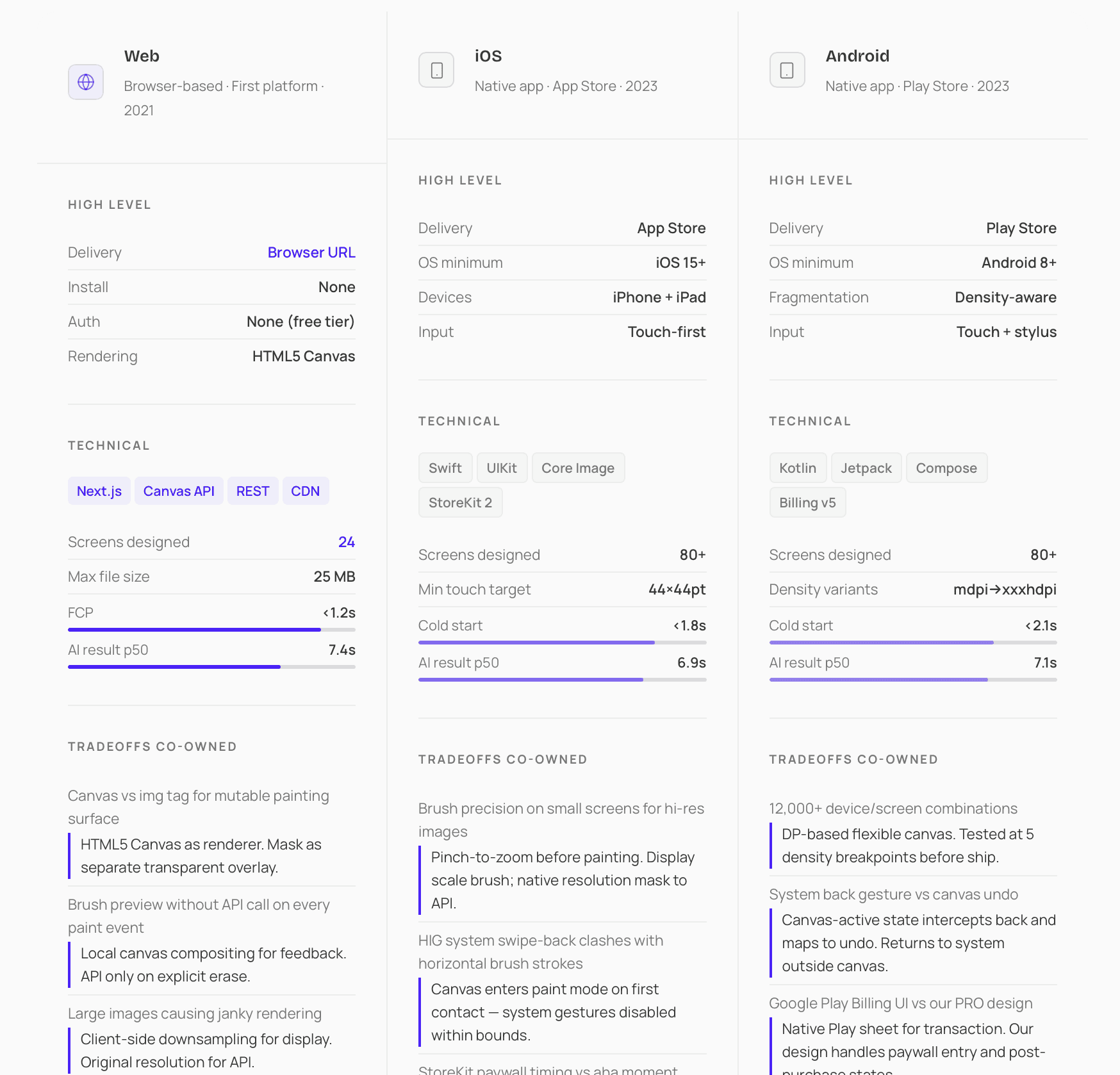
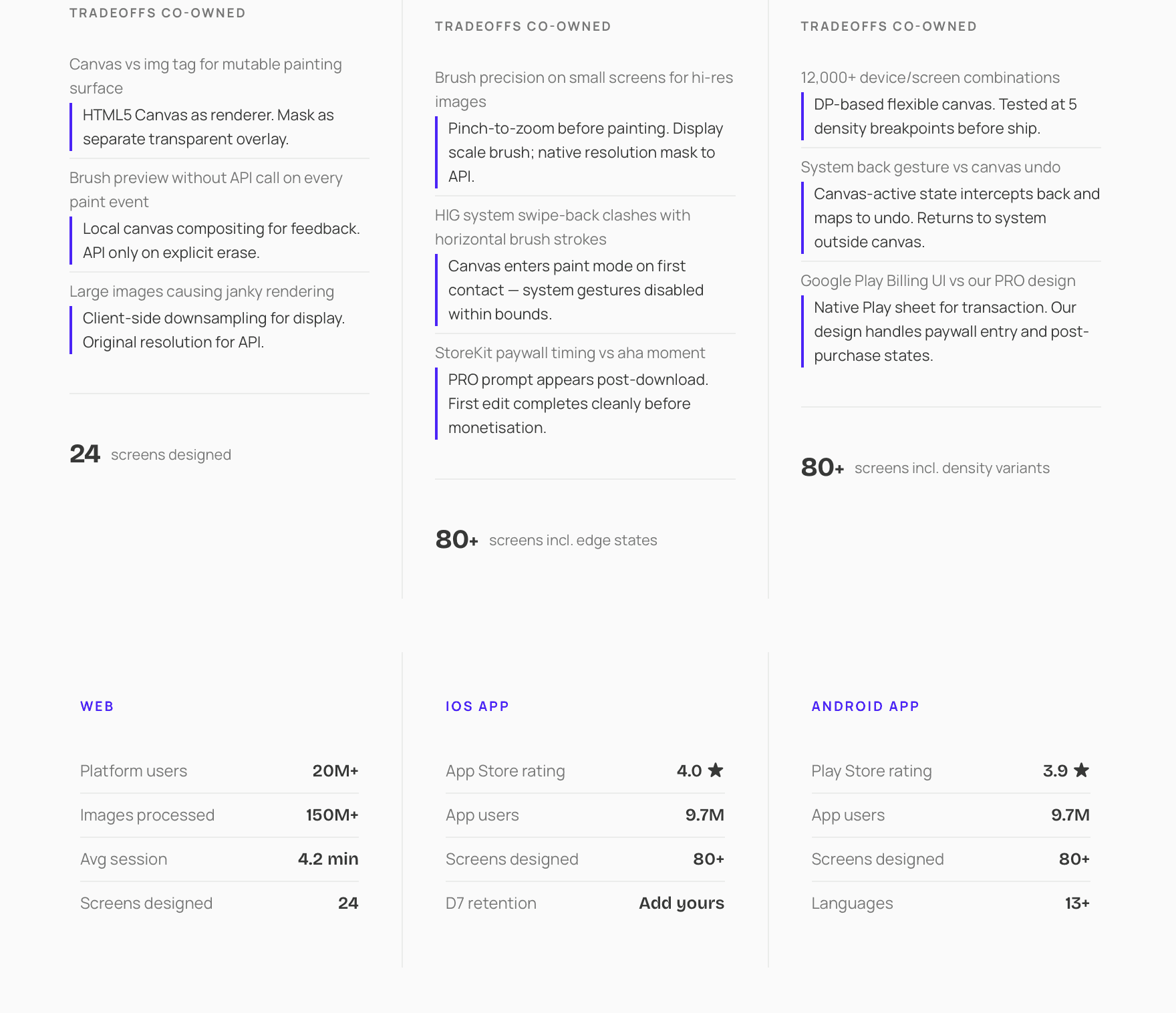
Why does the same tool need three completely different designs?
Web, iOS, and Android aren't three versions of the same design. They're three products with different interaction models, performance constraints, failure modes, and user expectations.
Customer Voice
What did users actually say?
App Store and Play Store reviews are a real-time usability study at scale. Positive reviews validate decisions. Critical ones show what to fix. Both matter.
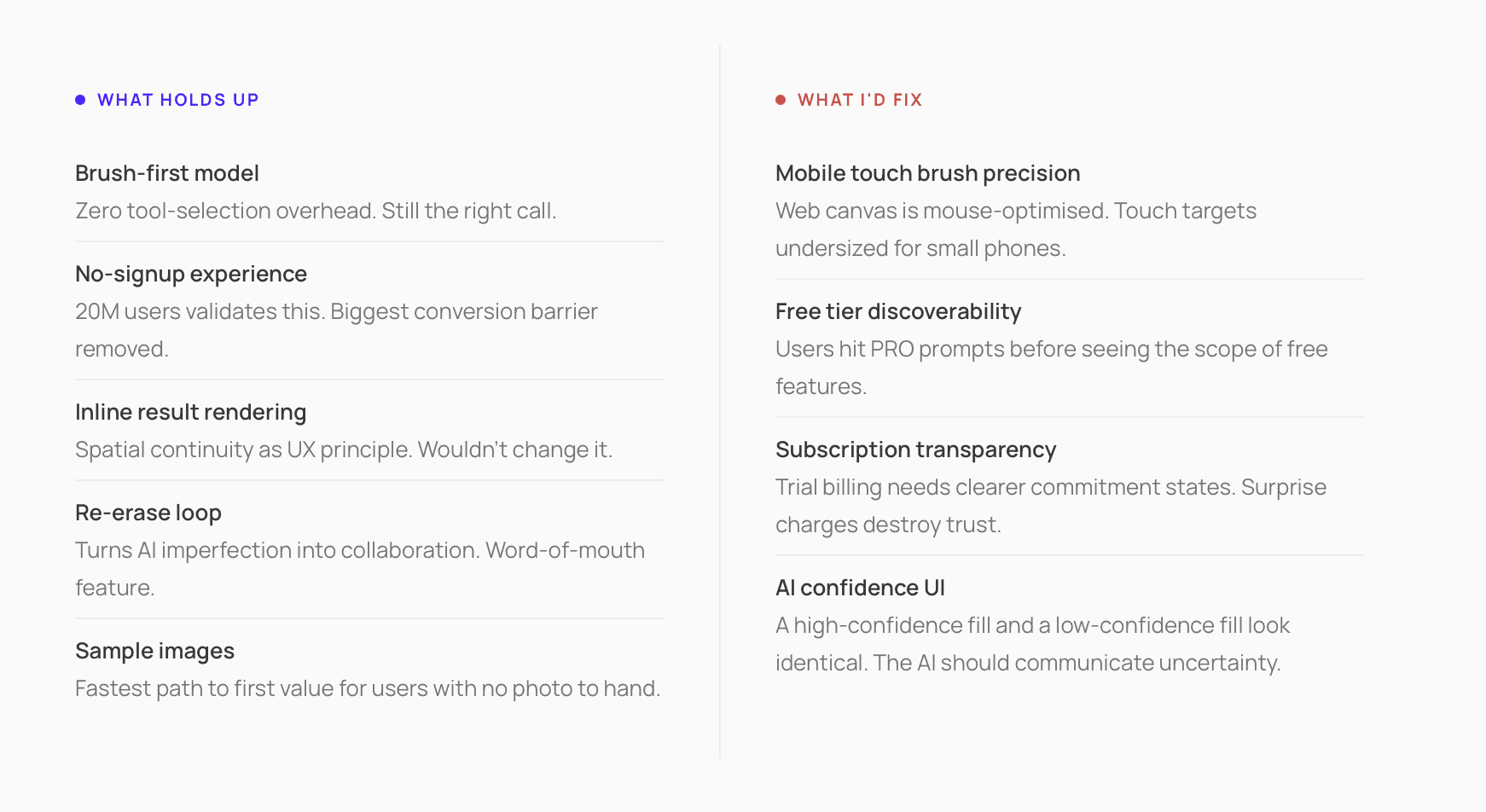
Self Audit
What would I change if I started today?
App Store and Play Store reviews are a real-time usability study at scale. Positive reviews validate decisions. Critical ones show what to fix. Both matter.
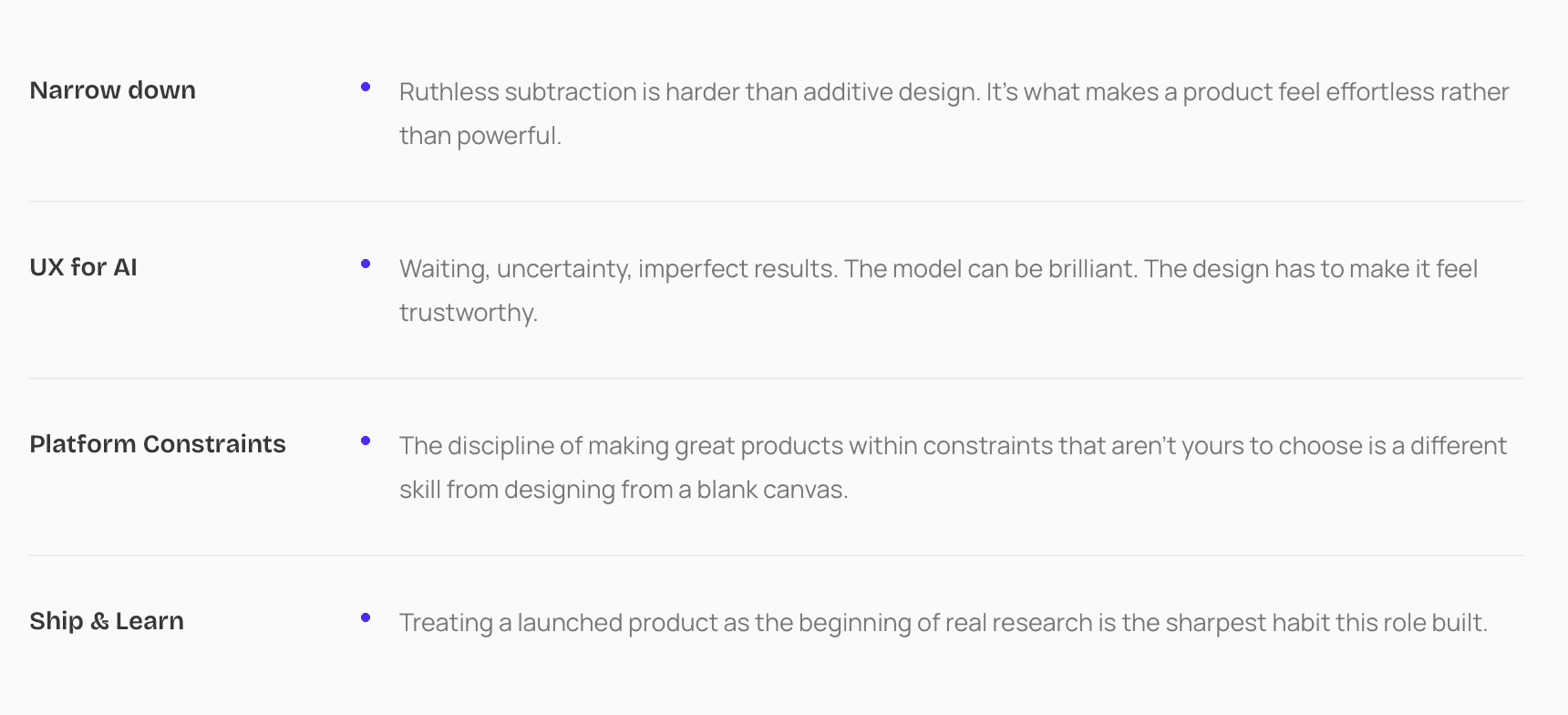
What I carried Forward
What would I change if I started today?
App Store and Play Store reviews are a real-time usability study at scale. Positive reviews validate decisions. Critical ones show what to fix. Both matter.
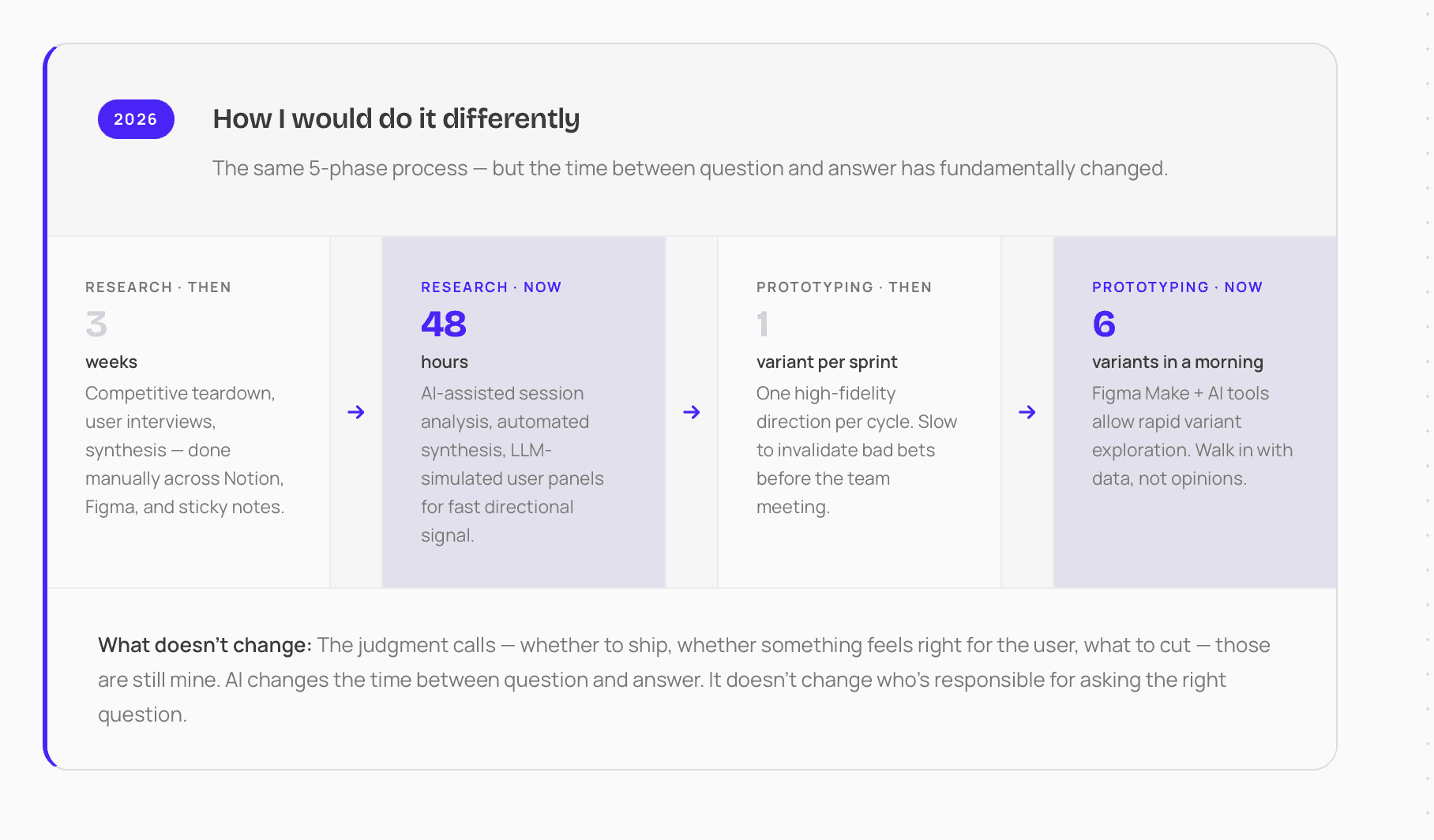
2026
How I'd do it differently in 2026
The same 5-phase process but the time between question and answer has fundamentally changed.