Hagrid: FAQ Widget
Team
1 PM, 1 Engineer, 1 Designer, 1 ML Engineer
Tools
Figma, Jitter, Adobe
Platform
iOS, Android, Web
Year
2021-2022
My Role
Product Designer
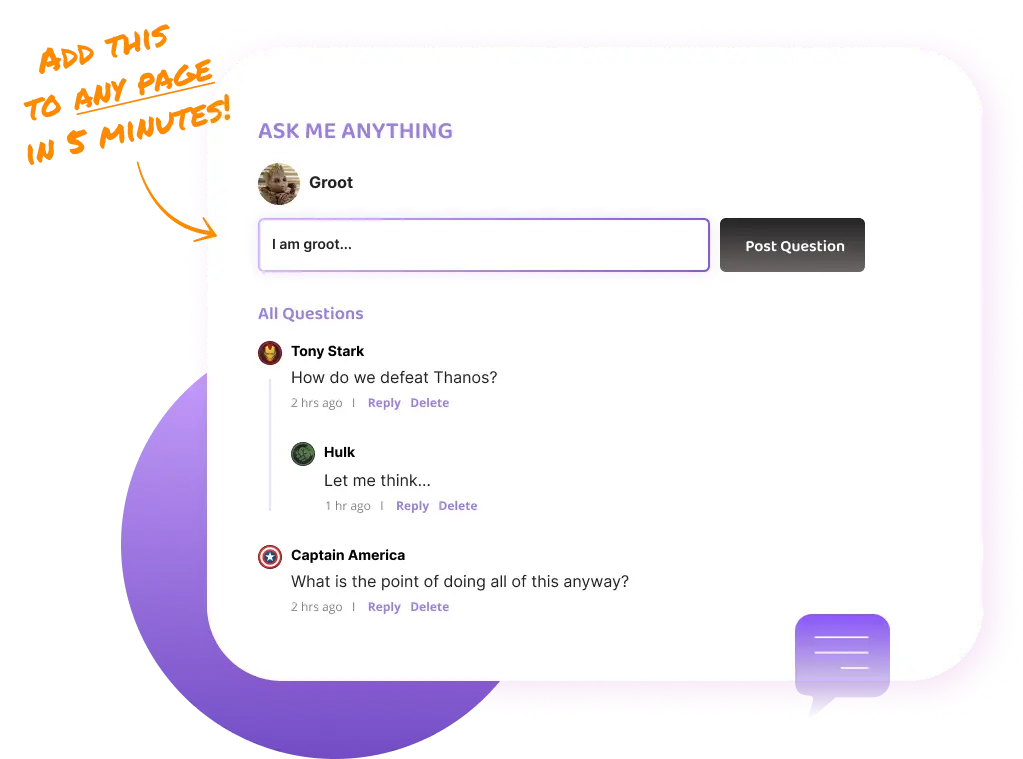
The first brand I ever built from scratch. I joined aarzoo in 2021, before Magic Studio existed, and Hagrid was the first thing we shipped, a widget that let visitors ask a question right on your website and actually get an answer, instead of digging through a dead FAQ page. There was nothing to start from: no brand, no illustration system or product UI. Just a four-person team with an idea, and me figuring out what a "social FAQ" should look and feel like. It launched on Product Hunt in January 2022 and hit #1 Product of the Day.
Scope of Work
Why did this project happen?
Does a widget need a personality?
Honestly, because nobody was going to use it otherwise. There was no product yet, just an ML team that had figured out something clever: a way to let visitors ask a question right on a webpage and get a real answer back, instead of digging through an FAQ nobody bothered to update. My job was to figure out what that should look like, before I even knew what to call it.
Why was it needed?
Static FAQs are a guess. Someone in marketing sat down once and wrote down the ten questions they thought people would ask. They're usually wrong, or out of date, or missing the one thing you actually wanted to know. So you email support and wait, or you just leave the site.
My job split two ways as the MVP already existed. Make the product itself simple, because our users were small business owners with no developer on staff and no patience. And make the whole thing feel warm enough that a total stranger would trust it enough to type something real.
Meet Hagrid
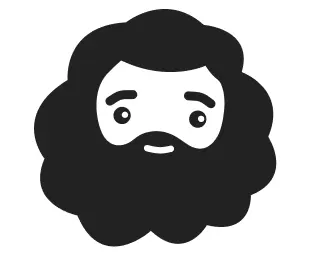
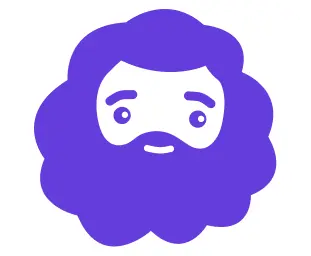
The name came before I did, Hagrid, after the Harry Potter character. Big, a little clumsy, entirely on your side. Once I had that, the rest of the brand had somewhere to go.
I kept coming back to one question while I worked: would I trust this enough to ask it something? A brand that's supposed to sit on someone else's website and nudge a real question out of a stranger can't look corporate, or it reads as another data grab. It can't look like a toy either, or nobody believes the answer they get back. I wanted something that landed right in between, approachable enough to invite the question, credible enough to be worth answering.
If I say Duolingo, the first thing that pops into your mind is language. The second is probably their bird, Duo. They’ve done an amazing job with character design and emotional attachment. There’s a great talk by Jackson Shuttleworth, Duolingo’s retention PM, on how that character consistency drives long-term engagement.
So I wanted to build something similar.


How did it actually work?
Everything downstream of one number: five minutes. That's how long a non-technical owner had before they gave up and closed the tab. So the setup flow couldn't ask for anything it didn't need, and every screen had to make the next step obvious without anyone reading instructions.
The visitor side was a different puzzle entirely. Nobody wakes up planning to become a contributor to somebody's FAQ page. I built in anonymous posting fairly early, partly because it lowered the bar, and partly because the slightly embarrassing question someone won't put their name to is usually the most useful one on the page for everyone reading after them.
What happened when it went out into the world?
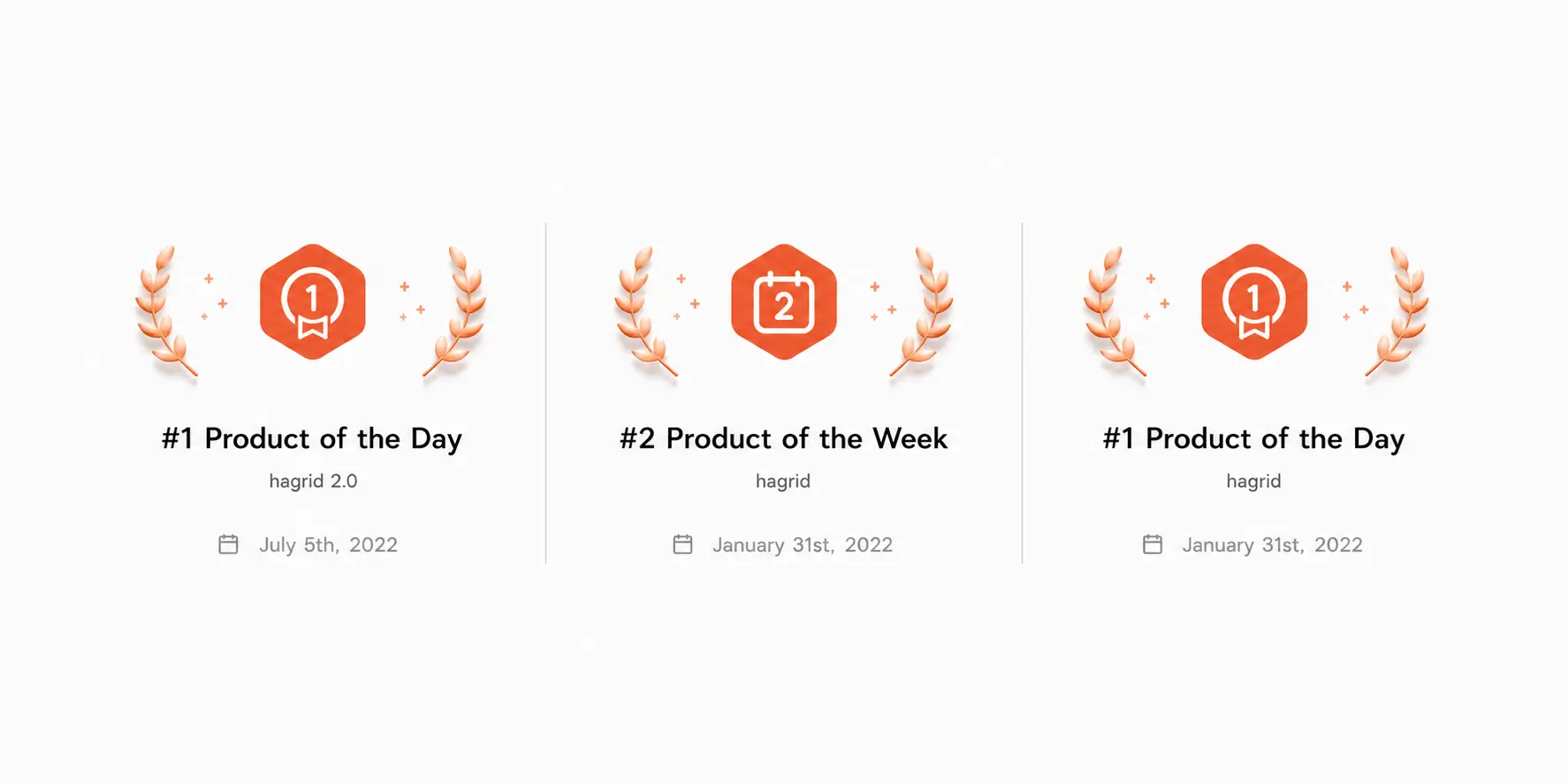
Hagrid launched on Product Hunt on January 31, 2022, and landed #1 Product of the Day and #2 Product of the Week, 172 comments and 585 upvotes by the end of it. Hagrid 2.0 followed that July at #4 Product of the Day. For four people with zero marketing budget, that's the kind of validation that actually means something, strangers understood the thing in a glance and told other strangers about it.
What did we achieve?
Let's be honest about what I can actually claim here. I don't have a dashboard of install numbers or conversion charts sitting around from a startup that pivoted three years ago. What I do have is this: a brand-new interaction pattern that a lot of strangers tried on launch day without anyone explaining it to them first, and a product that later became the reason I got hired at Magic Studio as founding designer, so somebody clearly thought the work held up.
Hagrid never became its own company. The team's energy eventually moved into what became Magic Studio and InstaHeadshots, and hagrid.io redirects there now. But it's the project that taught me what it actually takes to design something with nothing to lean on. No existing user expectations, no competitor to react against, no category anyone had a mental model for yet. Every ounce of "this is safe" and "this is easy" had to come from the pixels themselves.

Next Steps
If I ever pick this back up, or write about it properly, I'd want to dig into the actual usage patterns, how many questions got asked anonymously versus not, what kinds of questions people actually typed, whether the widget changed how owners thought about their own FAQ. None of that data survived the pivot, as far as I know. But it's the part of this project I'm still curious about.